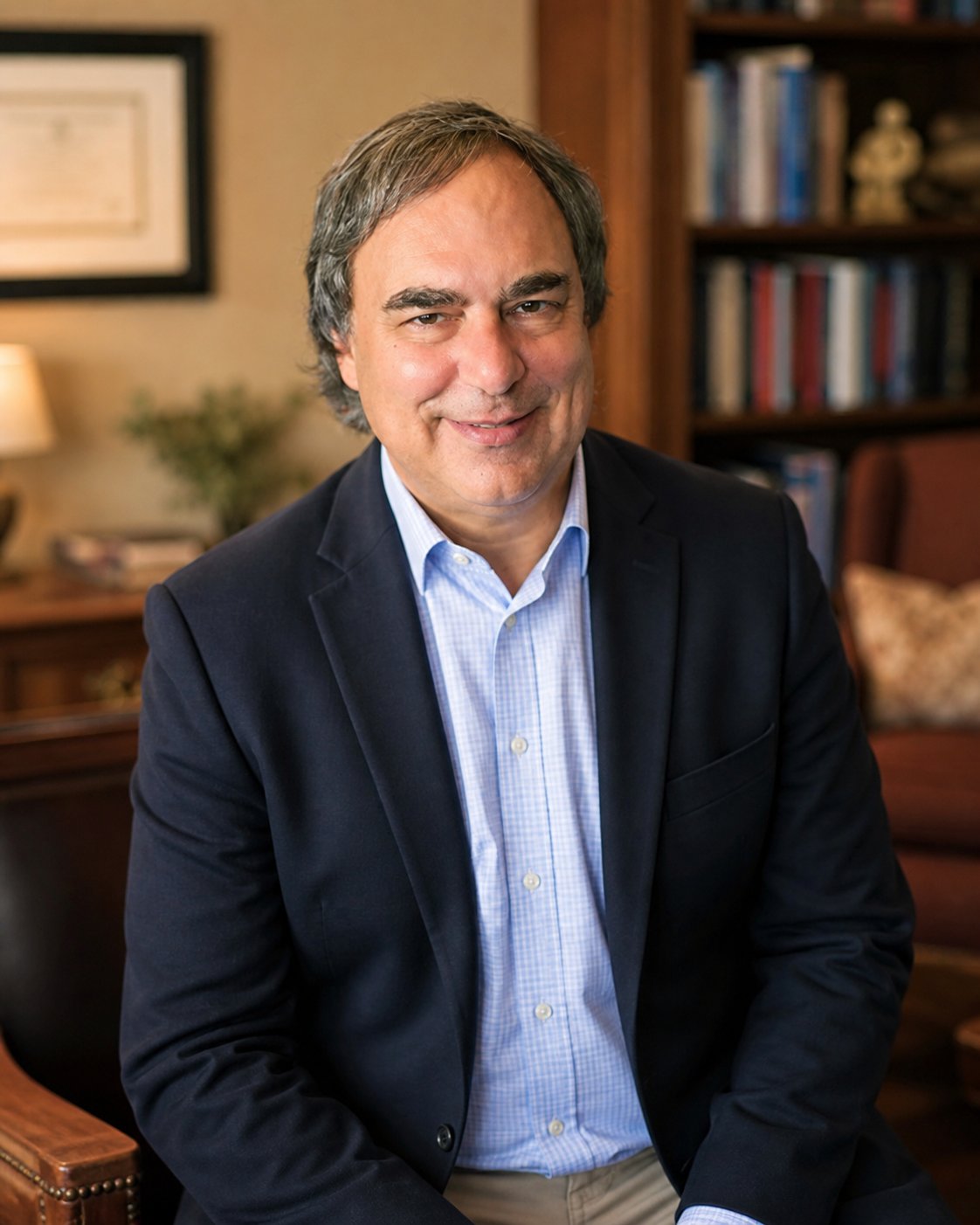
Dr. Arnold Shapiro is a board-certified psychiatrist with offices in Cincinnati, Ohio and Fort Wright, Kentucky, who has treated children, teens and adults for 35+ years. For post-traumatic stress disorder (PTSD), he completes a thorough diagnostic evaluation, looks for the conditions that so often travel with it, manages medication when it helps, and coordinates care with the therapists who provide the first-line, trauma-focused talk therapies.
What PTSD is
Post-traumatic stress disorder can develop after you have lived through or witnessed an event involving actual or threatened death, serious injury, or sexual violence, or learned that a violent or accidental event happened to someone close to you: a serious accident, an assault or abuse, a sudden catastrophic medical event, a disaster. Almost everyone is shaken after an event like that. In PTSD, the alarm doesn’t switch back off, and weeks or months later the mind and body are still reacting as though the danger is happening now.
Clinically, PTSD is described by four groups of symptoms: re-living the event (intrusion), avoiding reminders of it, negative changes in mood and thinking, and being keyed up or on guard (arousal and reactivity). The symptoms last for more than a month and get in the way of work, school, relationships, or ordinary life. That is the framework in the DSM-5-TR, the diagnostic manual psychiatrists use, and it is the one Dr. Shapiro works from.
PTSD is not a character flaw, and it is not a sign that you handled something badly. It is a recognized medical condition with recognized treatments. For some people it begins right away; for others it only becomes obvious months or even years after the event.
How PTSD shows up
PTSD looks different from person to person, and not everyone has every symptom. In children and teens it often doesn’t sound like the adult description. Younger children may replay the event through repetitive play or drawing, have frightening dreams that no longer have a clear story, or become unusually clingy and fearful. Teens may seem irritable, withdrawn, or reckless, or may suddenly be unable to focus at school. Because these changes can look like other problems, a careful evaluation matters.
Common ways PTSD shows up
- Unwanted memories, flashbacks, or nightmares that make it feel as though the event is happening again
- Strong physical distress, such as a racing heart, sweating, or shaking, when something reminds you of what happened
- Steering clear of places, people, conversations, or thoughts connected to the event
- Feeling numb, detached, or cut off from people you care about
- Lasting guilt, shame, or anger, and a darker view of yourself or the world
- Being constantly on guard, easily startled, or quick to anger
- Trouble falling or staying asleep, and trouble concentrating
- Gaps in memory for important parts of what happened
What PTSD overlaps with, and why that matters
PTSD rarely arrives alone. Depression, anxiety and panic, long-standing sleep problems, and alcohol or drug use are all common companions, partly because people reach for whatever helps them get through the night or quiet the memories. Each of these can make PTSD harder to see, and PTSD can make each of them harder to treat.
PTSD can also be mistaken for something else. The poor concentration, restlessness, and irritability of PTSD can look a great deal like ADHD, and a person whose nervous system is on constant alert may simply be told they are anxious or depressed. Treating the wrong problem doesn’t help, which is why sorting out what is trauma, what is mood, what is sleep, and what is attention is such a large part of the work.
If drinking or drug use has become the way you cope, say so. It changes the plan, but it doesn’t disqualify you from help.
How Dr. Shapiro evaluates PTSD
A PTSD evaluation here is not a checklist and a prescription. It is built on the same team approach as every evaluation in the practice, so that the diagnosis is right before any treatment is chosen.
A careful, unhurried history
You describe what happened to the extent you are comfortable, and how life has changed since: sleep, mood, concentration, relationships, school or work. You decide how much detail to share about the event itself. What matters most is what has changed.
Rating scales before you arrive
Questionnaires completed before the visit give a clear starting point for your symptoms, and make it easier to see whether treatment is working over time.
Everything that overlaps
Depression, anxiety, sleep problems, substance use, attention problems, and other medical causes are all considered, so that PTSD is neither missed nor assumed.
A team, then a plan together
Our therapist and Dr. Shapiro share one chart and talk through the picture together. You then spend a full hour with Dr. Shapiro, who explains what he sees in plain language, walks through your options, and decides the next step with you.
PTSD treatment: therapy first, medication alongside
Major treatment guidelines recommend trauma-focused psychotherapy as the first-line treatment for PTSD. Examples include cognitive processing therapy (CPT), prolonged exposure (PE), and EMDR (eye movement desensitization and reprocessing). These therapies are delivered by therapists with specific training in them, and Dr. Shapiro coordinates with the therapist providing it so that therapy and medication support each other. For children and teens, trauma-focused cognitive behavioral therapy (TF-CBT) is a well-established first-line treatment, and medication has a smaller and less certain role than it does in adults.
Medication can help with symptoms. Certain antidepressants, specifically sertraline, paroxetine and venlafaxine, have the best evidence in PTSD and can ease intrusive memories, the on-edge feeling, and low mood. Medication is often used alongside therapy, and sometimes on its own when therapy isn’t available or isn’t the right fit yet. The choice depends on you: your other conditions, your other medicines, side effects, and your preferences. Antidepressants carry a warning that a small number of children, teens and young adults may have increased suicidal thoughts, especially in the first weeks or after a dose change, so close follow-up early in treatment is important.
For nightmares linked to trauma, a blood pressure medicine called prazosin is sometimes tried. The research on it is mixed, so it is a conversation about whether it is worth trying for you rather than an automatic step. Benzodiazepines, the sedating anti-anxiety medicines, are generally not recommended for PTSD, and we will talk through the reasoning if the question comes up.
As with everything in this practice, you decide together with Dr. Shapiro, and you leave with a plan and a backup plan in case the first approach doesn’t get you all the way there.
When to reach out
Consider calling if memories, nightmares, or avoidance have lasted more than a few weeks and are getting in the way of work, school, relationships, or sleep, or if you have noticed that you or your teen has changed since something frightening happened. You do not need to wait until it feels bad enough.
If you are having thoughts of suicide, call or text 988 right away. If you or someone else is in immediate danger, call 911.
Otherwise, call (859) 341-7453. Calls are returned the same day, and the practice has offices in Cincinnati and Fort Wright, Kentucky.
Common questions
How do I know if it’s PTSD or just stress after a hard event?
Strong reactions in the first days and weeks after something frightening are common and often ease on their own. PTSD is considered when the symptoms last more than a month and interfere with daily life. A psychiatric evaluation can tell you whether it is PTSD, another condition, or a mix.
Can PTSD start long after the event?
Yes. For some people the symptoms appear right away, and for others they build or become obvious months or years later, sometimes when a new stress or reminder arrives. A delayed start does not make the symptoms any less real or any less treatable.
Do I have to talk about the trauma in detail to get help?
Not in the evaluation. You decide how much to share about the event itself, and the focus is on how things have changed since. Trauma-focused therapies do involve working with the memory, but that is done at a pace set with a trained therapist, and we can talk through what to expect before you decide.
Will I need medication for PTSD?
Not necessarily. Trauma-focused therapy is the first-line treatment, and medication is one option that can ease symptoms alongside it or sometimes in its place. Dr. Shapiro will explain the options, their pros and cons, and let you choose.
Do you see children and teens with PTSD?
Dr. Shapiro has treated children, teens and adults for 35+ years. For younger patients, the evaluation includes time with the parents and time with the child or teen on their own, followed by a meeting with the whole family to make a plan.