Seasonal Affective Disorder (SAD) Treatment in Cincinnati
When Winter Brings More Than Just Cold Weather
Every fall, it starts again—the fatigue, the carb cravings, the desire to crawl under the covers until spring. If this sounds familiar, you're not imagining it, and you're certainly not alone. Seasonal Affective Disorder is real, it's treatable, and you don't have to dread another winter.
Is It Just the Winter Blues?
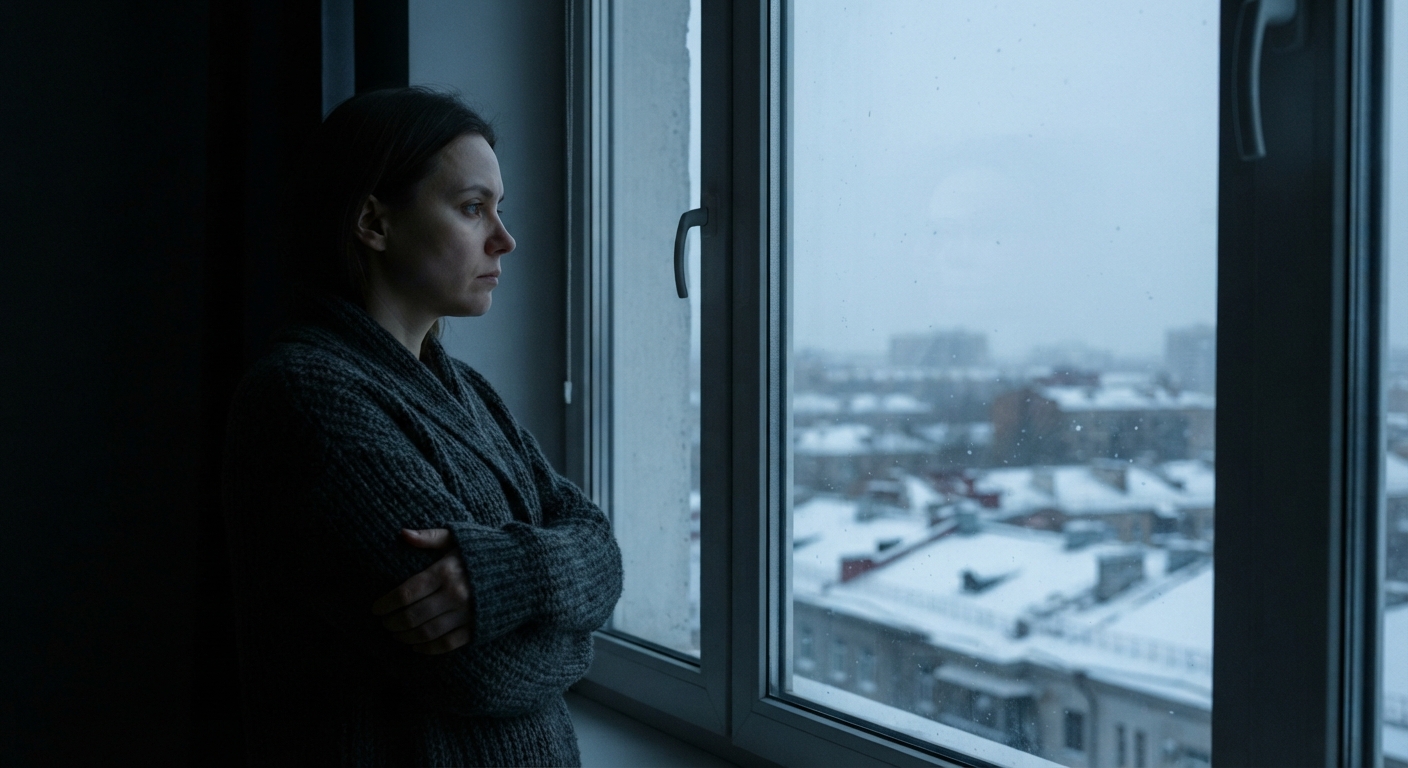
Everyone feels a bit "blah" when the days get shorter and colder. But if you find yourself feeling genuinely depressed every winter—not just "I wish it were summer" but truly struggling to function—that's not normal. That's not weakness. That's a medical condition called Seasonal Affective Disorder.
Here's how to tell the difference: Winter blues means you'd rather stay in than go out in the cold. SAD means you can't make yourself go out. Winter blues means you look forward to spring. SAD means you're not sure you can make it to spring.
If you've noticed the same pattern happening year after year—feeling fine in spring and summer, then sinking into depression as the days shorten—you likely have SAD. And the good news is: SAD is one of the most treatable forms of depression.
What Is Seasonal Affective Disorder?
Seasonal Affective Disorder is a type of depression that follows a seasonal pattern—typically starting in fall, deepening through winter, and lifting in spring. It's not a separate illness from depression; it's depression triggered by changes in light exposure.
About 5% of Americans experience SAD, and it's much more common in northern states like Ohio. Women are four times more likely to be affected than men. Most people first develop SAD in their 20s or 30s, though it can begin at any age.
Not Just "Feeling Blah"
SAD is a real medical condition involving your brain's response to reduced daylight. It's not laziness, weakness, or just "hating winter." With 35+ years of experience, Dr. Shapiro provides comprehensive evaluation and evidence-based treatment.
Signs You Might Have SAD
SAD symptoms typically begin in October-November and persist until March-April. Do any of these sound familiar?
Mood Symptoms
- Feeling depressed most of the day, nearly every day
- Losing interest in activities you used to enjoy
- Feeling hopeless, worthless, or guilty
- Irritability and low frustration tolerance
- Difficulty concentrating and making decisions
- Thoughts of death or suicide (seek help immediately)
Energy & Sleep
- Feeling tired and sluggish even after plenty of sleep
- Heavy, 'leaden' feeling in arms or legs
- Difficulty getting out of bed in the morning
- Needing much more sleep than usual (hypersomnia)
- Decreased productivity at work or school
- Everything feels like it takes tremendous effort
Appetite & Weight
- Craving carbohydrates and comfort foods
- Increased appetite, especially for sweets and starches
- Weight gain (typically 5-15 pounds per winter)
- Eating more in the evening hours
- Loss of interest in healthy foods
Social & Relationships
- Withdrawing from friends and family
- Canceling plans and avoiding social events
- Feeling like you want to 'hibernate'
- Decreased sex drive
- Relationship difficulties during winter months
SAD vs. Regular Depression
While both are forms of depression, SAD has distinctive features that affect how we treat it.
| Feature | Seasonal Affective Disorder | Major Depression |
|---|---|---|
| Timing | Predictable seasonal pattern (usually fall/winter onset, spring/summer remission) | Can occur any time of year without seasonal pattern |
| Sleep | Typically oversleeping (hypersomnia) | Often insomnia (trouble sleeping) |
| Appetite | Increased appetite, carb cravings, weight gain | Often decreased appetite and weight loss |
| Energy Pattern | Heavy, leaden feeling; wanting to hibernate | Restless agitation or general fatigue |
| Duration | 4-5 months per year, same time each year | Variable duration, not season-linked |
Why Winter Affects Your Brain
Melatonin Overproduction
Your brain produces melatonin (the "sleep hormone") in response to darkness. In winter, with less daylight, melatonin production increases. This can make you feel drowsy, sluggish, and ready to hibernate—even during the day.
Serotonin Drops
Sunlight helps regulate serotonin, the "mood" neurotransmitter. Less sunlight means less serotonin activity. This is why SAD responds well to both light therapy and antidepressants that boost serotonin.
Circadian Rhythm Disruption
Your body's internal clock relies on light cues. When it's still dark at 7 AM, your brain thinks it should still be sleeping. This mismatch between your body clock and your life schedule causes profound fatigue.
Vitamin D Deficiency
We get most vitamin D from sunlight exposure. In Cincinnati's latitude, it's nearly impossible to make adequate vitamin D from October to March. Low vitamin D doesn't cause SAD, but it can worsen symptoms.
The bottom line: SAD isn't about attitude or willpower. It's about neurotransmitters, hormones, and circadian rhythms—biological processes that respond to treatment.
Who Gets SAD?
Some people are more susceptible to seasonal depression than others.
Geographic Location
Living far from the equator increases risk. SAD affects about 1% of Floridians but 9% of Alaskans. Cincinnati's latitude (39°N) puts us in a moderate-high risk zone.
Gender
Women are 4 times more likely than men to develop SAD. This may relate to hormonal factors and differences in how the brain processes serotonin.
Age
SAD typically begins in young adulthood (20s-30s). It's rare in children under 10 and often improves after age 50.
Family History
If you have relatives with SAD or other forms of depression, your risk is higher. There's a genetic component to how your brain responds to light.
Existing Depression or Bipolar
If you already have major depression or bipolar disorder, you're more likely to experience seasonal worsening of symptoms.
Work Environment
Working in windowless environments, night shifts, or spending most daylight hours indoors increases risk.
Treatment Options That Actually Work
SAD is highly treatable. Most people improve significantly with the right combination of approaches.
Light Therapy (The Gold Standard)
First-line treatment for SAD
Light therapy involves sitting in front of a special bright light box that mimics natural outdoor light. It works by resetting your circadian rhythm and suppressing melatonin production. About 50-80% of people with SAD respond to light therapy alone.
How to Use Light Therapy Effectively:
Important: Not all light boxes work. Many "happy lights" sold online are too dim. We can recommend specific products that meet clinical standards and show you how to use them properly.
Medication Options
For moderate to severe SAD, or when light therapy alone isn't enough, medication can be very effective.
Wellbutrin XL (bupropion)
FDA-approved specifically for SAD prevention. Unique because it's the only antidepressant approved for preventing SAD episodes, not just treating them. Start in early fall, continue through early spring.
SSRIs (Prozac, Zoloft, Lexapro)
Standard antidepressants that work well for SAD, especially when combined with light therapy. May be used year-round or seasonally.
Vitamin D
While not a treatment for SAD itself, vitamin D deficiency is common in winter and can worsen symptoms. We check your levels and supplement if needed.
Therapy Approaches (CBT-SAD)
Cognitive Behavioral Therapy adapted for SAD (CBT-SAD) helps you identify and change thought patterns and behaviors that worsen winter depression.
What CBT-SAD Addresses:
- • Negative thoughts about winter ("I hate this. I can't cope.")
- • Avoidance behaviors (canceling plans, hibernating)
- • Disrupted routines and sleep schedules
- • Unhelpful coping (comfort eating, oversleeping)
Research Shows:
CBT-SAD may have longer-lasting effects than light therapy alone. People who learn these skills often have less severe symptoms in future winters, even without continuing therapy.
Lifestyle Strategies
These aren't a substitute for treatment, but they can significantly improve your response to light therapy and medication.
Maximize Natural Light
- • Open blinds first thing in the morning
- • Sit near windows during the day
- • Take a walk during lunch hour (even on cloudy days)
- • Trim bushes that block windows
Stay Active
- • Exercise regularly, especially outdoors
- • Even a 10-minute walk helps
- • Morning exercise may be most beneficial
- • Don't wait until you 'feel like it'
Maintain Structure
- • Keep a consistent sleep schedule
- • Don't oversleep on weekends
- • Plan enjoyable activities in advance
- • Don't let yourself hibernate
Nutrition
- • Limit simple carbs and sugar binges
- • Eat protein with every meal
- • Omega-3 fatty acids may help
- • Stay hydrated
Special Situations
SAD with Bipolar Disorder
If you have bipolar disorder, SAD treatment requires extra care. Light therapy can trigger mania in some people. Antidepressants carry similar risks.
Our approach: We start light therapy very gradually and monitor closely. Mood stabilizers are often used alongside any antidepressant.
SAD During Pregnancy
Light therapy is safe during pregnancy and is our first-line treatment. Some antidepressants are also safe; others should be avoided.
Our approach: We individualize treatment based on symptom severity, trimester, and your comfort level with medication options.
SAD in Children & Teenagers
SAD can affect children and teens, though it's more common after puberty. Signs include declining grades in winter, increased irritability, and social withdrawal.
Our approach: Light therapy is first-line. We also address sleep schedules, school accommodations, and family education.
The Spring Transition
As days lengthen, most people with SAD naturally start feeling better. But the transition isn't always smooth.
What to Expect:
- • Gradual improvement starting in March
- • Energy returns before mood fully lifts
- • Sleep normalizes (less oversleeping)
- • Appetite and cravings decrease
Watch Out For:
- • "Spring rebound"—temporary worsening as you adjust
- • Stopping treatment too quickly
- • In bipolar: mania triggered by increased light
- • Next fall: start treatment earlier!
Planning ahead: We'll work with you to create a "fall action plan"—knowing exactly when to restart light therapy and/or medication, so you can prevent symptoms rather than just react to them.
What to Expect: Your Evaluation
For Adults
Approximately 2 Hours
Your evaluation begins with a one-hour session with our licensed professional counselor, followed by approximately one hour with Dr. Shapiro.
What We Assess:
- • Detailed history of your seasonal mood patterns
- • Screening for bipolar disorder (critical for safe treatment)
- • Thyroid function and vitamin D levels
- • Other conditions that mimic or worsen SAD
- • Your previous experiences with treatment
For Children & Teens
Approximately 3 Hours
We take extra care with young patients. Parent interview, child session, and family meeting with Dr. Shapiro—all designed to get the complete picture.
We Look For Everything:
- • SAD often co-occurs with ADHD, anxiety, and learning differences
- • School performance patterns across the year
- • Sleep schedule and light exposure habits
- • Family history of mood disorders
Why Patients Trust Dr. Shapiro for SAD Treatment
35+ Years Experience
Dr. Shapiro has extensive experience managing seasonal mood disorders in the Cincinnati climate, developed over 35+ years of practice.
Comprehensive Evaluation
We look for everything—not just SAD, but bipolar disorder, thyroid problems, vitamin deficiencies, and other conditions that mimic or worsen seasonal depression.
Evidence-Based Treatment
We use proven approaches: light therapy, FDA-approved medications, and CBT-SAD—tailored to your specific situation.
Same-Day Response
Your questions are answered almost always the same day. When you're struggling, you won't wait days to hear back.
Proactive Approach
We focus on prevention—starting treatment before symptoms hit, so you can actually enjoy fall and winter.
Collaborative Care
We work with you to find the right combination of treatments. No cookie-cutter approaches.
Frequently Asked Questions About SAD
Dr. Arnold Shapiro is a board-certified psychiatrist in Cincinnati, OH and Northern Kentucky with 35+ years of clinical experience diagnosing and treating seasonal affective disorder (SAD) and seasonal patterns of major depression.
Q:When should I start light therapy for SAD?
Start light therapy in early fall (September-October) before symptoms begin. This preventive approach is more effective than waiting until you're already depressed. Continue through early spring, usually until daylight savings time changes in March.
Q:Is SAD the same as regular depression?
SAD is a subtype of major depression with a seasonal pattern. The key difference is the timing—SAD follows a predictable seasonal cycle, typically starting in fall/winter and resolving in spring/summer. It also has characteristic symptoms like oversleeping and carbohydrate cravings that differ from typical depression.
Q:Can light therapy cause problems?
Light therapy is very safe for most people. Some experience mild headache, eye strain, or nausea initially—these usually resolve within days. If you have bipolar disorder, light therapy can trigger mania, so we monitor carefully. People with certain eye conditions should consult an ophthalmologist first.
Q:Do I need a prescription for a light box?
No, light boxes are available without prescription. However, not all light boxes are effective—you need one that provides 10,000 lux at the recommended distance. We can recommend specific products and show you how to use them properly.
Q:Will I need treatment every year?
Most people with SAD benefit from yearly preventive treatment starting in early fall. Some find that light therapy alone is sufficient; others need medication. Over time, you'll learn what works best for you and can often manage independently with our guidance.
Q:I feel better in summer. Should I stop medication?
It depends. For pure SAD (no depression at other times), we often taper medication in late spring. If you have year-round depression with seasonal worsening, continuous treatment may be better. We'll develop a personalized plan based on your pattern.
Q:Can SAD affect my work performance?
Absolutely. Many people with SAD notice decreased productivity, difficulty concentrating, more sick days, and strained work relationships during winter months. Effective treatment can prevent these professional impacts.
Q:What are your payment options?
We are an out-of-network practice. You'll pay at the time of your visit, and we provide detailed receipts (superbills) so you can submit to your insurance for possible reimbursement. Many patients with out-of-network mental health benefits receive partial reimbursement. We accept cash, check, and all major credit cards.
Two Convenient Locations
Serving Cincinnati, Ohio and Northern Kentucky
Cincinnati, Ohio
8280 Montgomery Road, Suite 304
Cincinnati, OH 45236
Fort Wright, Kentucky
1717 Dixie Highway, Suite 200
Fort Wright, KY 41011
Just 5 minutes from downtown Cincinnati
Don't Wait Until You're Struggling
The best time to start SAD treatment is before symptoms hit. If you've struggled with winter depression before, schedule your evaluation in late summer or early fall. With 35+ years of experience, Dr. Shapiro can help you take back your winters.
Same-day response to your questions • Accepting new patients • Out-of-network provider
If you're experiencing a psychiatric emergency, call 911 or go to your nearest emergency room.