Childhood Bipolar Disorder Treatment in Cincinnati & Northern Kentucky
Specialized Care for Children and Teens with Bipolar Disorder
When your child's moods swing from explosive energy to crushing lows—and it's more than typical growing pains—you need answers. Childhood bipolar disorder is real, treatable, and responds best to specialized care from someone who understands the unique ways this condition appears in young people.
Understanding Childhood Bipolar Disorder
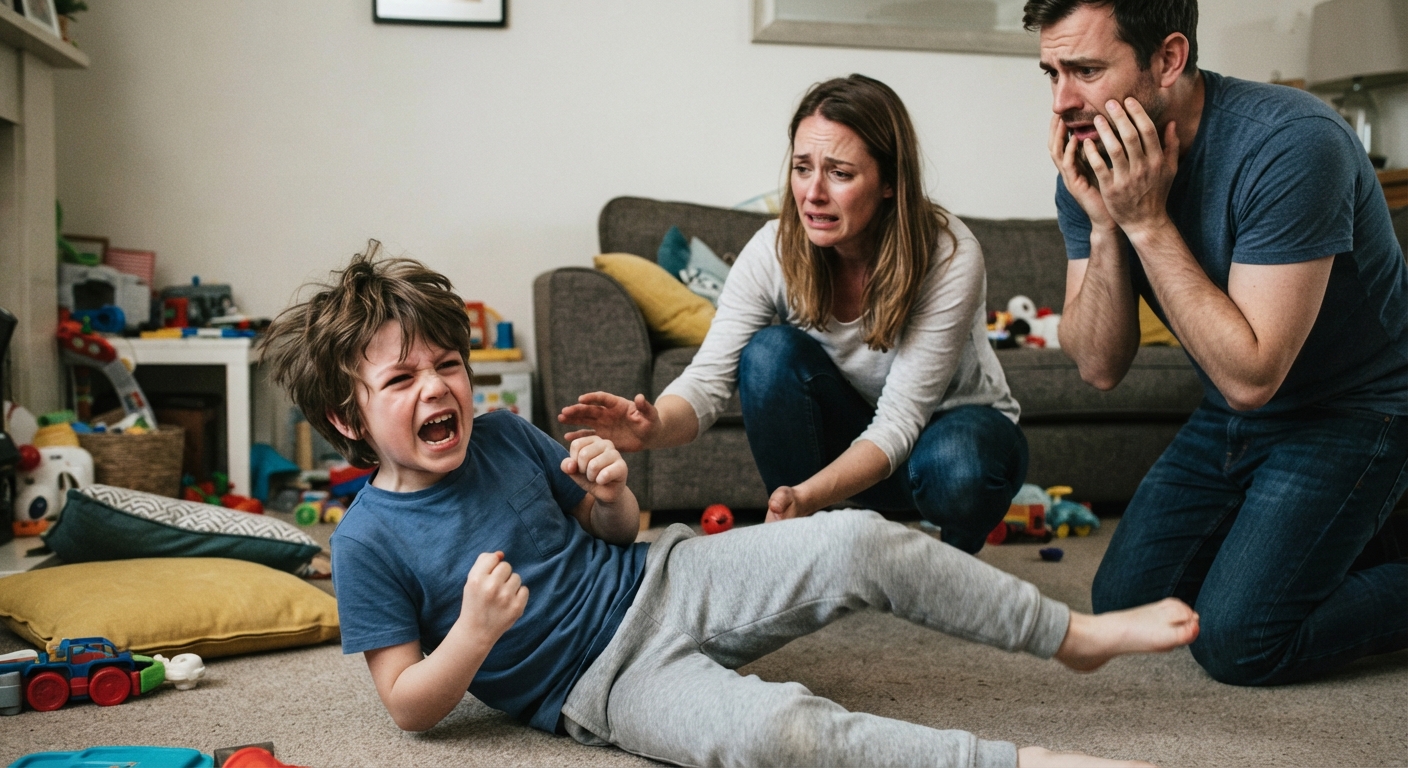
Bipolar disorder in children and adolescents is a serious mood condition characterized by dramatic shifts in energy, activity, sleep, and mood. Unlike normal mood swings or teenage moodiness, pediatric bipolar disorder involves distinct episodes of mania (or hypomania) and depression that significantly disrupt your child's life—affecting school, friendships, family relationships, and safety.
This Is Not Your Child's Fault
Here's what's crucial to understand: Bipolar disorder is a brain-based medical condition—not a behavior problem, not bad parenting, and not something your child can control through willpower. Research shows clear differences in how the bipolar brain processes emotions and regulates energy.
How It's Different from Adult Bipolar Disorder
Children with bipolar disorder often look different from adults with the same diagnosis:
- Rapid cycling is more common—mood episodes may shift faster, even within the same day
- Mixed states occur frequently—your child may be agitated, energized, AND miserable simultaneously
- Irritability may be more prominent than classic "euphoria"
- Episodes are often longer and harder to distinguish from baseline behavior
- Symptoms may be present most of the time rather than clearly separated episodes
The Brain Science (Simplified)
In bipolar disorder, the brain's "emotional thermostat" is dysregulated:
- The Amygdala (emotion center) often runs hot—overreacting to frustration and even neutral situations
- The Prefrontal Cortex (impulse control center) has reduced ability to regulate those emotional surges
- Energy regulation is disrupted—leading to periods of dramatically increased or decreased activity
- Sleep systems don't function normally—sleep need genuinely decreases during mania
This isn't a character flaw. It's biology. And biology responds to proper treatment.
Why Getting the Diagnosis Right Matters
Pediatric bipolar disorder is one of the most frequently misdiagnosed conditions in child psychiatry. Many children are initially diagnosed with:
Why does this matter? Because treatment is completely different:
- Stimulants prescribed for ADHD can trigger or worsen mania
- Antidepressants alone can destabilize mood and increase cycling
- Behavioral strategies designed for conduct problems don't address the underlying brain dysregulation
Getting the diagnosis right changes everything about treatment—and outcomes.
We Evaluate the Complete Picture—Not Just One Condition
When your child comes to us with mood problems, we don't stop at a single diagnosis. We thoroughly evaluate for EVERYTHING: ADHD (present in 60-90% of bipolar youth), anxiety disorders, trauma, and other conditions that commonly overlap with or mimic bipolar disorder. Many children actually have two, three, or more conditions. Finding the complete picture is what allows us to create a treatment plan that actually works.
The "Energy Hurricane"
Recognizing mania in children can be challenging because it often presents differently than in adults
Decreased Need for Sleep
Your child sleeps only 2-4 hours and wakes up energized—not tired, but genuinely rested. This is different from insomnia or ADHD.
Rapid, Pressured Speech
Talks faster than normal, jumps from topic to topic, seems unable to stop. May include rhyming, punning, or theatrical flourishes.
Racing Thoughts
Your child describes thoughts going "too fast" or is easily distracted by their own internal mental activity.
Grandiosity
Believing they have special powers, are smarter than teachers, don't need to follow rules, or making unrealistic plans.
Increased Goal-Directed Activity
Dramatically elevated energy—starting many projects, excessive organizing, wanting to do everything NOW.
Risky Behavior
Age-inappropriate sexual behavior, dangerous physical activities, reckless spending, or leaving home without permission.
Explosive Irritability
When frustrated or told "no," the response is grossly out of proportion—intense anger lasting 30-60 minutes or longer.
The "Shutdown"
Depressive episodes in children with bipolar disorder can be profound and debilitating
Persistent Sadness or Emptiness
Not just a bad day—a pervasive, heavy sadness that doesn't lift with good news or fun activities.
Loss of Interest
Activities they once loved no longer appeal. Video games, friends, sports, hobbies—nothing feels enjoyable.
Sleep Changes
Either sleeping far too much (12+ hours) or not being able to sleep despite exhaustion.
Energy Collapse
Even basic tasks feel overwhelming. Getting out of bed, showering, going to school require enormous effort.
Concentration Problems
Difficulty thinking, making decisions, or completing schoolwork. Grades often drop during depressive episodes.
Worthlessness and Guilt
Excessive self-criticism, feeling like a burden, believing everything is their fault.
Thoughts of Death
Any mention of wanting to die, suicide, or being "better off gone" requires immediate attention.
Mixed States: The Most Dangerous Presentation
Mixed states combine features of both mania and depression simultaneously or in rapid alternation. Your child may be agitated AND miserable, irritable AND hopeless, unable to sleep AND exhausted.
Mixed states carry the highest suicide risk because your child has the misery that wants escape AND the energy to act on it. These require urgent evaluation.
How Symptoms Vary by Age
Younger Children (Ages 6-12)
- Prolonged, explosive tantrums far beyond typical meltdowns
- Extremely "silly" or giddy behavior that seems inappropriate
- Hypersexual behavior or language (not due to exposure or abuse)
- Rapid shifts between extreme joy and extreme irritability
- Sleep problems—going days with minimal sleep without seeming tired
Teenagers
- Classic euphoria may be more visible (feeling invincible)
- Risk-taking may involve substances, sexual behavior, or legal trouble
- Irritability and anger may be attributed to "teenage attitude"
- Depression may include social withdrawal, declining grades, or self-harm
- Sleep schedule may flip entirely (up all night, sleeping all day)
When to Seek Evaluation Immediately
Contact us or seek emergency care if your child:
How We Diagnose Childhood Bipolar Disorder
Because misdiagnosis is so common, we take extraordinary care in our evaluation process. Our goal isn't just to identify bipolar disorder—it's to find EVERYTHING that's contributing to your child's struggles.
For Children and Teenagers: A 3-Hour Process
1Hour 1: Parent/Caregiver Meeting
We meet with parents alone first to gather complete history:
- Detailed timeline of mood and behavior changes
- Sleep patterns across different periods
- Family psychiatric history
- Medication history—what's been tried
- School performance and social functioning
- Any previous diagnoses or evaluations
2Hour 2: Child/Teen Interview
Dr. Shapiro meets with your child alone (age-appropriate):
- Building rapport so your child feels safe to share
- Direct assessment of mood, energy, sleep, thoughts
- Screening for anxiety, ADHD, trauma, psychosis
- Understanding their perspective on what's happening
3Hour 3: Family Meeting & Findings
Everyone comes together:
- We share our diagnostic findings
- Your child participates in understanding their brain
- We discuss all treatment options
- You leave with a clear plan—not just a prescription
Our Evaluation Goes Deeper
We Look for the Episodic Pattern
The KEY to accurate bipolar diagnosis is identifying distinct "episodes"—periods that are clearly different from your child's baseline. We create a timeline: When did the elevated mood/energy start? How long did it last? What was the depressive period like? Is there a clear "before and after"?
We Distinguish Bipolar from DMDD
DMDD was created specifically because children were being over-diagnosed with bipolar disorder. Key differences: Bipolar is episodic with euphoria and decreased sleep need; DMDD is chronic irritability without euphoria or sleep changes.
We Assess for ADHD Properly
60-90% of children with bipolar disorder also have ADHD. We determine: Is the ADHD real and present from childhood? Is the "ADHD" actually mania being misdiagnosed? If both are present, which requires treatment first?
We Take Family History Seriously
Bipolar disorder has one of the strongest genetic components in psychiatry. First-degree relative with bipolar = 10-15% risk (vs 1-2% baseline). Both parents with bipolar = 50-60% risk. We ask about relatives with "mood problems," hospitalizations, or suicide.
Treatment for Childhood Bipolar Disorder
Effective treatment requires a multimodal approach—combining the right medications, appropriate therapy, and family involvement.
The Foundation: Mood Stabilization First
The most important principle in treating childhood bipolar disorder: Stabilize the mood FIRST, before treating anything else.
Why? Because stimulants for ADHD can trigger mania if mood isn't stable, antidepressants alone can worsen cycling, and behavioral therapy can't work when mood is unstable. Once your child's mood is stable, we can effectively address ADHD, anxiety, and other co-occurring conditions.
Medication Options
Lithobid (lithium)
The oldest mood stabilizer, with the strongest evidence for preventing suicide. FDA-approved for ages 7 and up. Particularly effective for classic euphoric mania. Requires regular blood monitoring but is generally well-tolerated. May protect brain structure from the damaging effects of repeated episodes.
Atypical Antipsychotics
These medications work faster than Lithobid (lithium) for acute mania:
- Risperdal (risperidone): Fastest acting; strongest evidence (68.5% response rate)
- Abilify (aripiprazole): Good efficacy with lower weight gain
- Seroquel (quetiapine): Helps with sleep and anxiety
- Zyprexa (olanzapine): Very effective; used when others fail
For Bipolar Depression
Latuda (lurasidone) - FDA approved for pediatric bipolar depression (ages 10-17). Weight-neutral—critical for adolescents. Must be taken with 350 calories of food to work properly.
What We Avoid: Antidepressants alone can trigger mania or rapid cycling. If an antidepressant is ever needed, it's only used WITH a mood stabilizer.
Therapy That Works
Medications stabilize the brain, but therapy stabilizes the environment and teaches skills.
Family-Focused Therapy (FFT)
The gold-standard for adolescent bipolar disorder. 21 sessions over 9 months. Teaches the family to recognize early warning signs and improves communication during high-stress moments.
IPSRT
Interpersonal and Social Rhythm Therapy focuses on stabilizing daily routines (sleep, meals, activities). Particularly important because sleep disruption triggers episodes.
CBT
Cognitive Behavioral Therapy is helpful for depression and anxiety symptoms. Teaches coping skills and thought management. Works best AFTER mood is stable.
Lifestyle Factors That Matter
Sleep is NON-NEGOTIABLE
Sleep deprivation is one of the most reliable triggers for mania:
- • Consistent bedtime and wake time
- • Blue light blocking in the evening
- • Dark, cool sleeping environment
- • No "weekend catch-up" sleep schedules
Substance Avoidance
Cannabis in particular is devastating for bipolar youth:
- • Linked to higher suicidality
- • Linked to lower remission rates
- • Can trigger psychotic mania
- • Fat-soluble, so effects can linger well after use
Why Choose Dr. Shapiro for Your Child's Bipolar Disorder Treatment
35+ Years of Specialized Practice
Dr. Shapiro has spent 35+ years treating the most complex psychiatric cases—including children and adolescents with bipolar disorder who've been to multiple providers without finding answers.
Dual Board Certification
Board-certified in BOTH Adult AND Child/Adolescent Psychiatry. This dual expertise means we understand how bipolar disorder evolves from childhood through adulthood and can continue care as your child grows.
Expertise in Treatment-Resistant Cases
Many of our patients come to us after other treatments have failed. We're experienced with complex medication combinations, cases that require Clozaril (clozapine) protocols, and children with multiple co-occurring conditions.
We Treat the Family
Bipolar disorder affects everyone in the household. We provide guidance to parents, help siblings understand, and work to reduce the family stress that can trigger relapse.
What Families Can Expect
Clear Communication
You'll always understand what we're recommending and why. No medical jargon without explanation. No decisions made without your input.
Responsiveness
Bipolar disorder doesn't wait for office hours. We have protocols for urgent situations and take family concerns seriously.
Long-Term Partnership
We don't just stabilize and discharge. Bipolar disorder is a lifelong condition. We're committed to your child's journey from diagnosis through young adulthood.
Common Questions About Childhood Bipolar Disorder
1Is childhood bipolar disorder real, or is it overdiagnosed?
2How is bipolar disorder in children different from ADHD?
3Will my child need medication forever?
4My child was just diagnosed—does this mean they can't live a normal life?
5Are mood stabilizers and antipsychotics safe for children?
6What about stimulants for ADHD? Will they make bipolar worse?
7Can therapy help, or does my child just need medication?
8My teenager refuses to take medication. What can we do?
9What's the risk of suicide with childhood bipolar disorder?
10Will my other children develop bipolar disorder too?
Take the First Step
Your Child Deserves an Accurate Diagnosis and Effective Treatment
If your child is struggling with extreme mood swings, explosive episodes, and symptoms that seem beyond normal childhood behavior—don't wait. Early, accurate diagnosis and proper treatment can change the trajectory of your child's entire life.
If your child is in immediate danger or expressing suicidal thoughts:
Childhood bipolar disorder is one of the most challenging conditions in psychiatry—but also one of the most treatable when approached correctly. With 35+ years of experience and a commitment to comprehensive evaluation, Dr. Shapiro and his team are here to help your family find answers and hope.
If you're experiencing a psychiatric emergency, call 911 or go to your nearest emergency room.
Frequently Asked Questions
Dr. Arnold Shapiro is a board-certified child, adolescent, and adult psychiatrist in Cincinnati, OH and Northern Kentucky with 35+ years of experience diagnosing and treating childhood-onset bipolar disorder and complex pediatric mood disorders.
Dr. Arnold Shapiro is a board-certified child, adolescent, and adult psychiatrist in Cincinnati, OH and Northern Kentucky with 35+ years of clinical experience diagnosing and treating childhood-onset bipolar disorder.
What is childhood bipolar disorder?+
Childhood-onset bipolar disorder presents differently than adult bipolar disorder. Children may show rapid mood cycling, mixed states, extreme irritability, and grandiosity rather than classic euphoric mania. Distinguishing it from ADHD, DMDD, and other disruptive mood disorders requires expert evaluation from a board-certified child psychiatrist.
How is childhood bipolar disorder treated?+
Treatment combines mood stabilizers (Lithobid (lithium), Depakote (valproate)) and atypical antipsychotics (Abilify (aripiprazole), Risperdal (risperidone), Seroquel (quetiapine)) tailored to each child's age and symptom profile. Psychotherapy and family support are essential. Dr. Shapiro provides expert pediatric bipolar management in Cincinnati and Northern Kentucky.
How is ADHD different from childhood bipolar disorder?+
ADHD involves persistent inattention and hyperactivity, while bipolar disorder involves discrete mood episodes. Key bipolar features in children include grandiosity, decreased need for sleep, and extreme elation or irritability in distinct episodes. Many children have both diagnoses, requiring careful assessment.
Does Dr. Shapiro treat children with bipolar disorder?+
Yes. Dr. Shapiro is a board-certified child and adolescent psychiatrist with 35+ years of experience in pediatric mood disorders. He provides comprehensive evaluations and ongoing management at his Fort Wright, KY and Cincinnati, OH offices.
How do I schedule a pediatric bipolar evaluation near Cincinnati?+
Call Dr. Shapiro at (859) 341-7453. He provides comprehensive child psychiatric evaluations at his Fort Wright, Kentucky and Cincinnati, Ohio offices. New patient appointments are available and same-day responses are standard.