Living Well with Bipolar Disorder: What 35+ Years of Practice Has Taught Me
Long-Term Strategies for Stability, Fulfillment, and Hope
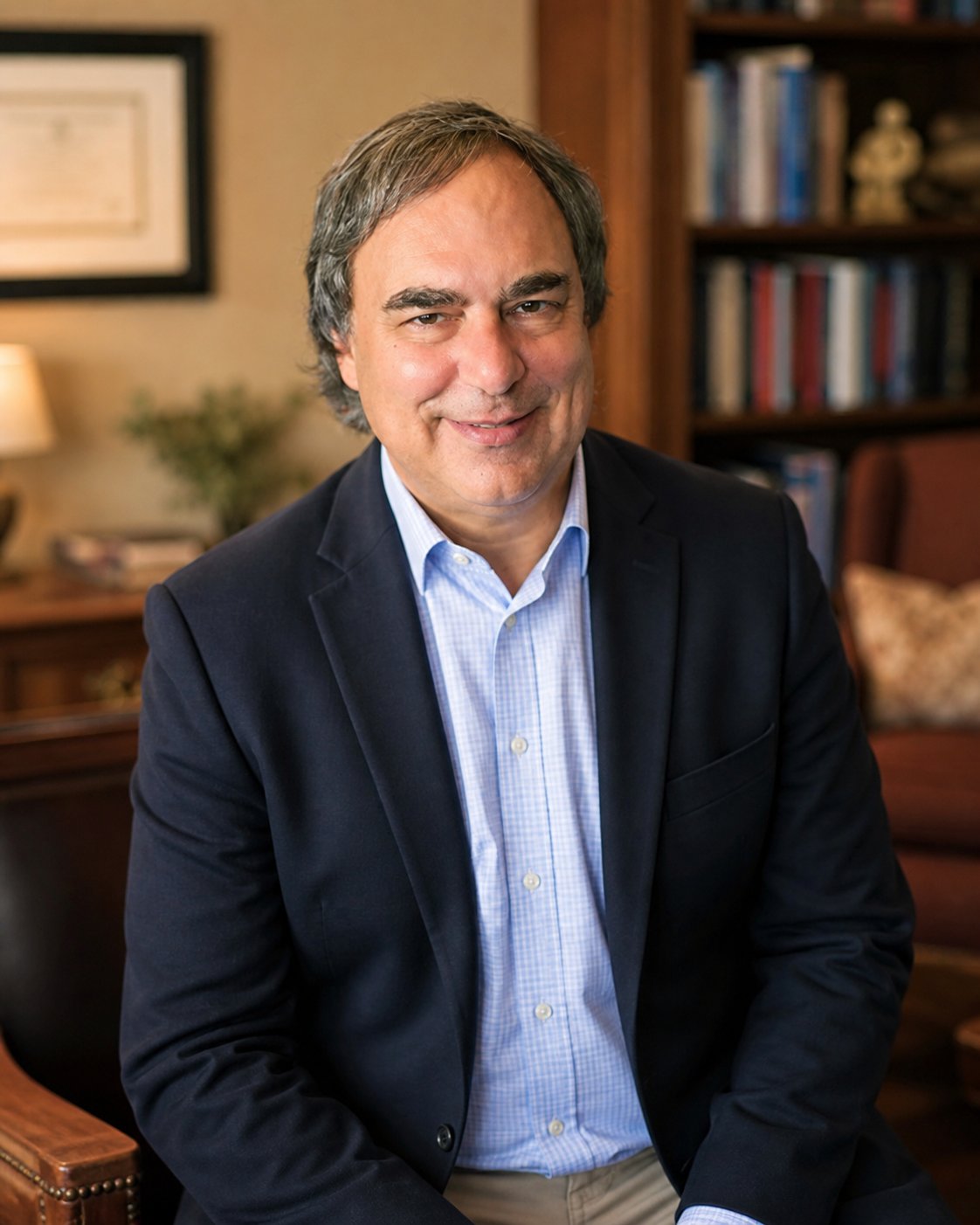
In my 35+ years of treating patients with bipolar disorder, I have witnessed something that would surprise many people: individuals with bipolar disorder living rich, successful, stable, and deeply fulfilling lives. Not in spite of their condition, but having learned to manage it so effectively that it no longer controls them. I have also seen the other side, patients who struggle for years because they received inadequate treatment, stopped their medication, or never fully understood what they were dealing with.
These different outcomes are shaped by many factors. But consistent treatment, knowledge, and a set of practical self-management strategies are among the most powerful things a patient can actively control, and I have seen them work over and over again. I want to share what I have learned.
The single most important lesson from 35+ years of treating bipolar disorder is this: medication adherence is the foundation of everything else. I know that is not what everyone wants to hear. But the data is overwhelming, and my clinical experience matches the data perfectly. Bipolar disorder is a brain condition that involves dysregulation of mood circuits. Mood stabilizers, such as lithium, Depakote (valproate), Lamictal (lamotrigine), and certain atypical antipsychotics, work by stabilizing those circuits. When patients take their medication consistently, the frequency and severity of mood episodes decreases dramatically.
The problem is that bipolar disorder creates a uniquely challenging relationship with medication. When a patient is in a depressive episode, they may feel too hopeless to bother taking medication. When they are in a manic or hypomanic episode, they feel so good that they believe they no longer need medication. I have had patients tell me during hypomanic episodes that they have never felt better in their lives, that clearly the medication was holding them back, that they are finally their true selves without it. Within weeks or months, they crash into depression or escalate into full mania.
This is not a character flaw. This is the nature of the illness. It actively undermines the treatment that controls it. Understanding this pattern is the first step toward breaking it.
Here is what I tell every bipolar patient: think of your medication like a blood pressure medication. You do not stop taking blood pressure medication because your blood pressure is normal. Your blood pressure is normal because you are taking the medication. The same principle applies to mood stabilizers. Your mood is stable because the medication is working. Stopping it invites instability.
The second lesson is the critical importance of sleep. Of all the lifestyle factors that affect bipolar disorder, sleep is the most powerful. Disrupted sleep can trigger manic episodes. Oversleeping is often a sign of approaching depression. Maintaining a consistent sleep schedule is one of the most effective non-medication strategies for managing bipolar disorder.
I counsel my patients to go to bed and wake up at the same time every day, including weekends. I advise against shift work if possible. I ask patients to be cautious about anything that disrupts sleep: excessive caffeine, alcohol, late-night screen use, travel across time zones. This is not about being rigid for the sake of rigidity. It is about protecting the circadian rhythm, which is intimately connected to mood regulation in bipolar disorder.
The third lesson is to learn your personal warning signs. Over time, patients with bipolar disorder can learn to recognize the early signs that a mood episode is approaching. For mania, early signs often include decreased need for sleep, increased talkativeness, racing thoughts, increased energy, taking on too many projects, and spending more money than usual. For depression, early signs often include social withdrawal, increased sleep, loss of interest in activities, difficulty getting out of bed, and a creeping sense of hopelessness.
I work with patients to create a personalized warning sign list and an action plan. When you notice early warning signs of mania, the action plan might include calling our office, increasing sleep, reducing stimulation, avoiding major decisions, and temporarily increasing a medication dose as we have discussed in advance. For depression warning signs, the plan might include increasing social contact, maintaining physical activity even when you do not feel like it, and reaching out to your support system.
The fourth lesson is the power of structure and routine. Bipolar disorder thrives in chaos and is tamed by consistency. Patients who maintain regular daily routines, including consistent meal times, exercise schedules, work hours, and social activities, tend to have fewer and less severe mood episodes. This does not mean your life has to be boring or inflexible. It means having a stable framework around which you build a rich and varied life.
The fifth lesson involves relationships and support systems. Bipolar disorder affects relationships, and relationships affect bipolar disorder. Educating your close family members and friends about the condition is enormously valuable. When the people around you understand what bipolar disorder is, they can be your allies rather than your adversaries. They can help you spot warning signs that you might miss. They can support you through difficult episodes. And they can understand that mood fluctuations are symptoms of an illness, not personal attacks or character defects.
In our practice, we encourage family involvement in treatment. When a spouse, parent, or close family member understands the treatment plan, they become part of the treatment team. This is not about surveillance or control. It is about having people in your corner who understand what you are dealing with.
The sixth lesson is to avoid alcohol and recreational drugs. I cannot emphasize this enough. Alcohol is a mood destabilizer. Even moderate drinking can interfere with medication effectiveness and trigger mood episodes. Marijuana, cocaine, and other substances are even more dangerous for people with bipolar disorder. I have seen stable patients relapse into severe episodes after seemingly minor substance use. This is one of the clearest patterns in my 35+ years of practice.
The seventh lesson is about therapy as an ongoing complement to medication. Medication addresses the biology of bipolar disorder, but it does not teach you how to navigate the psychological and social challenges that come with living with a chronic mood condition. Cognitive behavioral therapy helps patients identify and change thinking patterns that contribute to mood instability. Interpersonal and social rhythm therapy specifically targets the routine disruptions that can trigger episodes. Family-focused therapy improves communication and reduces conflict that can destabilize mood.
Finally, I want to address hope. A bipolar diagnosis can feel devastating, especially at first. But I have treated patients with bipolar disorder who are physicians, lawyers, teachers, business owners, artists, and devoted parents. Their condition is part of their life, but it is not the defining feature of their life. With proper treatment, consistent medication management, healthy lifestyle habits, and a strong support system, people with bipolar disorder can and do thrive.
My commitment to every patient with bipolar disorder is the same commitment I make to all my patients: we keep working together until you are not just stable, but living the life you want to live.
If you or a loved one is struggling with bipolar disorder, or if you suspect you may have bipolar disorder and have not been properly evaluated, please call our office at (859) 341-7453 to schedule a comprehensive evaluation.
About Dr. Arnold G. Shapiro, MD
Dr. Arnold Shapiro is a board-certified psychiatrist serving Cincinnati, Ohio and Northern Kentucky. With over 35 years of clinical experience, he specializes in ADHD, anxiety, depression, bipolar disorder, and OCD treatment for both children and adults. Dr. Shapiro is known for his thorough evaluation process and compassionate, family-centered approach to psychiatric care.
Ready to Take the Next Step?
Schedule a comprehensive evaluation with Dr. Shapiro.