Heart Attack or Panic Attack? A Psychiatrist Explains the Difference
When Your Body Sends Terrifying Signals, Here's How to Tell What's Happening
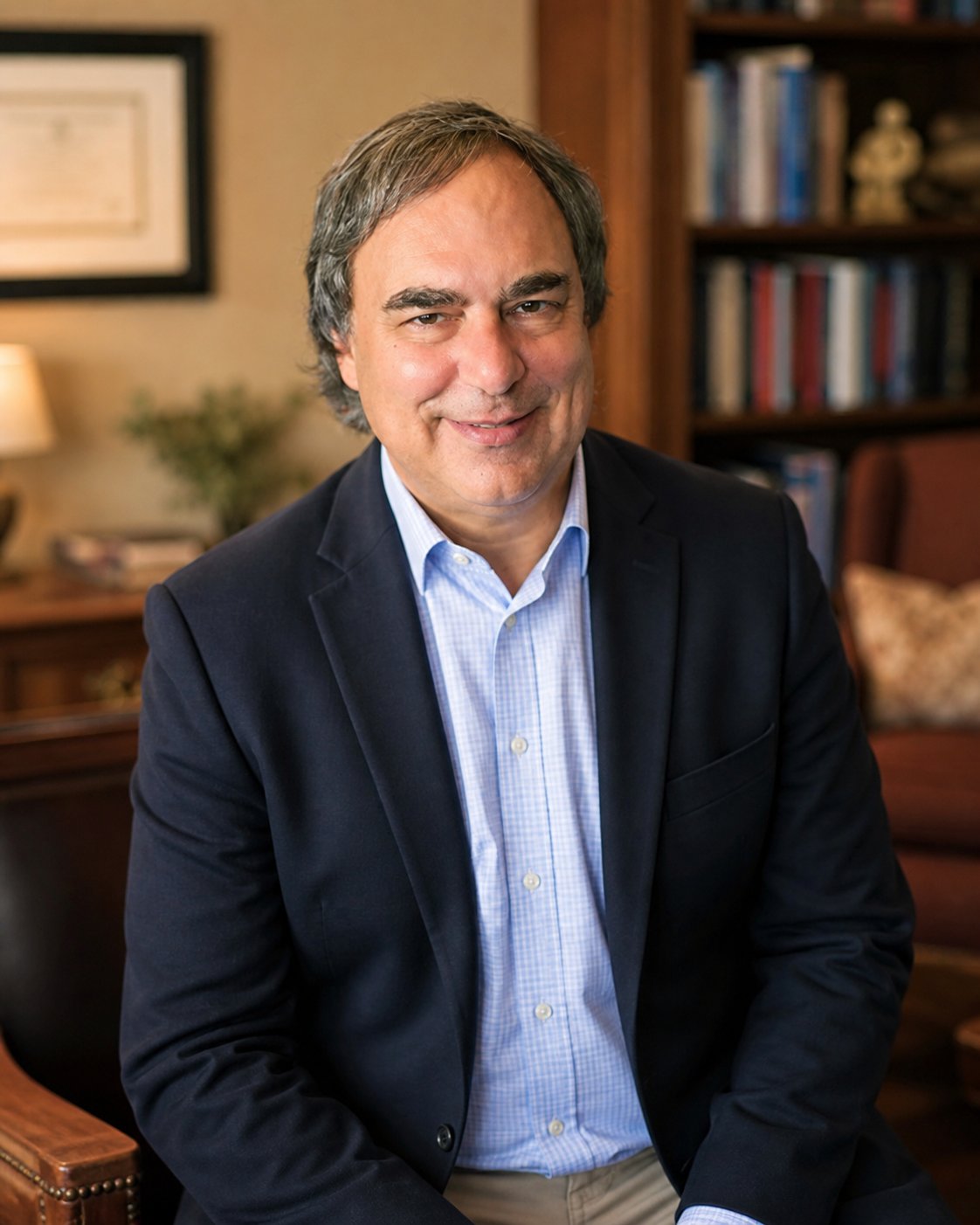
In my 35+ years of psychiatric practice, I have treated thousands of patients with panic disorder, and nearly every one of them has told me the same thing about their first panic attack: "I thought I was dying." Many of them ended up in the emergency room, convinced they were having a heart attack. Some went to the ER multiple times before a doctor finally said the words "panic attack."
I want to address this topic because the confusion between heart attacks and panic attacks is not just an academic exercise. It has real consequences. Some people ignore genuine cardiac symptoms because they have had panic attacks before and assume it is happening again. Others develop a crippling fear of having another panic attack, which paradoxically makes them more likely to have one. Understanding the differences can literally save your life and can also spare you enormous unnecessary suffering.
Let me start with the similarities, because they are significant. Both heart attacks and panic attacks can cause chest pain or discomfort, shortness of breath, a racing or pounding heartbeat, sweating, dizziness or lightheadedness, numbness or tingling, and a sense of overwhelming dread. When you are experiencing these symptoms, your body's fight-or-flight system is fully activated, and your brain is screaming that something is very wrong. In that moment, trying to rationally distinguish between the two conditions is incredibly difficult.
Here are the key differences that medical professionals look for:
The nature of the chest pain differs. Heart attack pain is often described as a squeezing, pressing, or heavy sensation, as if an elephant is sitting on your chest. The pain frequently radiates to the left arm, jaw, back, or neck. Panic attack chest pain is more often described as sharp or stabbing, localized to a specific spot, and does not typically radiate to other areas. However, and this is important, there is enough overlap in how patients describe the pain that this distinction alone is not reliable.
The onset pattern is different. Panic attack symptoms typically peak within about 10 minutes and then begin to subside. Most panic attacks resolve within 20 to 30 minutes, though some can last longer. Heart attack symptoms tend to build more gradually and do not subside on their own. If chest pain is getting progressively worse or has lasted longer than 30 minutes, that is a red flag for a cardiac event.
Physical exertion plays a role. Heart attack symptoms often worsen with physical exertion and may improve with rest. Panic attack symptoms are not typically related to physical activity and may actually occur when you are at rest or even asleep. In fact, nocturnal panic attacks (waking from sleep in a state of panic) are quite common and are a strong indicator of panic disorder.
Triggers may be identifiable. Many panic attacks occur in specific situations: crowded places, while driving, in enclosed spaces, or during periods of high stress. If you can identify a pattern of triggering situations, panic disorder becomes more likely. Heart attacks, on the other hand, do not follow situational patterns.
Age and risk factors matter. If you are over 50, have a family history of heart disease, smoke, have high blood pressure or high cholesterol, or have diabetes, the probability of a cardiac event is higher and should always be taken seriously. Panic attacks can occur at any age but most commonly begin in young adulthood.
Here is the most important thing I can tell you: when in doubt, go to the emergency room. I would rather have a patient make ten unnecessary ER visits for panic attacks than have them dismiss one actual heart attack because they assumed it was anxiety. The ER can quickly perform an EKG, blood tests (troponin levels), and other assessments to rule out cardiac causes. Getting a cardiac clearance can also provide enormous peace of mind.
Now let me talk about what happens after the crisis. If you have been evaluated medically and the cause is panic attacks rather than cardiac events, you are not imagining things. Panic disorder is a real medical condition with a neurobiological basis. Your brain's alarm system, specifically the amygdala and the sympathetic nervous system, is misfiring. It is sending danger signals when there is no actual danger.
The good news is that panic disorder is one of the most treatable conditions in all of psychiatry. The treatment approaches with the strongest evidence include cognitive behavioral therapy (CBT), which helps you understand the panic cycle and develop strategies to break it, and medication, particularly SSRIs and SNRIs, which can reduce the frequency and intensity of panic attacks.
In our practice, we use a combination approach for most panic disorder patients. We start with a thorough evaluation to make sure the diagnosis is correct and to identify any co-occurring conditions (panic disorder frequently occurs alongside generalized anxiety disorder, depression, and agoraphobia). Then we develop a personalized treatment plan.
I want to share something I tell all my panic disorder patients because it is one of the most empowering things you can learn about this condition: a panic attack cannot hurt you. It feels absolutely terrible. Your body is flooding with adrenaline, your heart is racing, you cannot catch your breath, and every cell in your body is screaming that you are in danger. But a panic attack itself is not medically dangerous. You will not suffocate (the shortness of breath is caused by hyperventilation, not by a lack of oxygen). You will not have a heart attack from the panic attack. You will not pass out (panic attacks actually raise blood pressure, which makes fainting unlikely). You will not go crazy or lose control.
Understanding this does not make panic attacks pleasant, but it takes away some of their power. A significant part of what maintains panic disorder is the fear of having another panic attack. When you learn that the attack itself is not dangerous, you begin to break that cycle of fear.
Here are some practical strategies for managing a panic attack in the moment. First, focus on slow, controlled breathing. Breathe in through your nose for four counts, hold for four counts, and exhale slowly through your mouth for six counts. Hyperventilation is what drives many panic symptoms, and controlling your breathing directly counteracts it. Second, ground yourself using the 5-4-3-2-1 technique. Name five things you can see, four you can touch, three you can hear, two you can smell, and one you can taste. This engages your rational brain and helps quiet the amygdala's alarm response. Third, remind yourself that this is a panic attack, that it is temporary, and that it will pass. Previous panic attacks have always ended. This one will too.
If you are experiencing recurrent panic attacks, please do not suffer in silence. This condition responds extremely well to treatment, and most patients experience significant improvement within weeks to months. Schedule an evaluation at our Cincinnati or Fort Wright office by calling (859) 341-7453.
And remember: if you are ever unsure whether you are having a panic attack or a heart attack, always err on the side of caution and seek emergency medical attention.
About Dr. Arnold G. Shapiro, MD
Dr. Arnold Shapiro is a board-certified psychiatrist serving Cincinnati, Ohio and Northern Kentucky. With over 35 years of clinical experience, he specializes in ADHD, anxiety, depression, bipolar disorder, and OCD treatment for both children and adults. Dr. Shapiro is known for his thorough evaluation process and compassionate, family-centered approach to psychiatric care.
Ready to Take the Next Step?
Schedule a comprehensive evaluation with Dr. Shapiro.