Cannabis and Mental Health: What the Evidence Actually Shows
A Clinical Review of the March 2026 Lancet Psychiatry Meta-Analysis
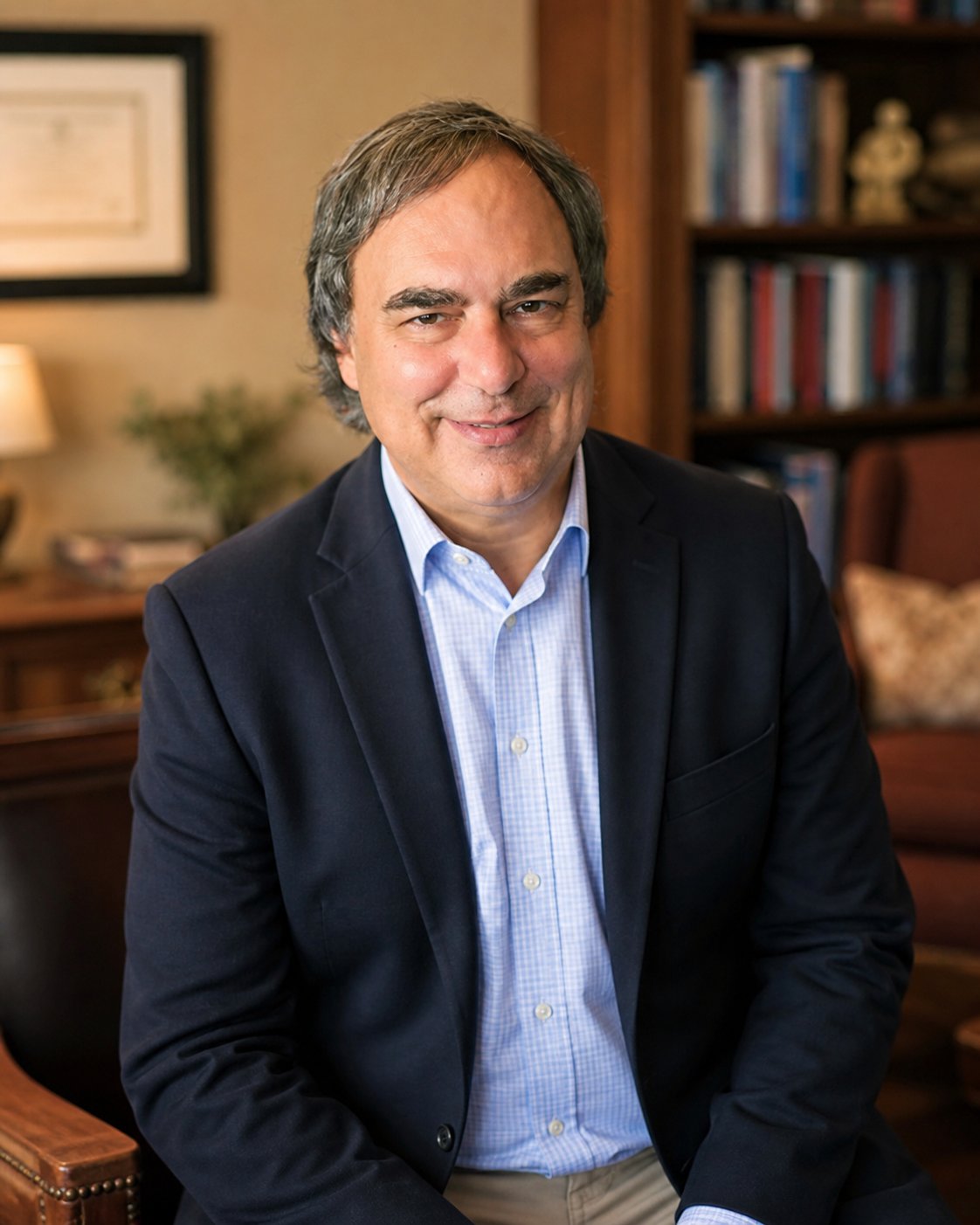
This article provides a comprehensive clinical review of the evidence on cannabis and mental health, drawing primarily from the March 2026 Lancet Psychiatry meta-analysis and supporting literature.
The relationship between cannabis and mental health is one of the most asked-about topics in my practice. Patients want to know: can marijuana help my anxiety? Will CBD cure my insomnia? Is cannabis safe for my teenager?
These are important questions, and they deserve answers based on evidence rather than politics or marketing. The March 2026 Lancet Psychiatry meta-analysis (Wilson et al.) is the largest RCT-only review on this topic to date — the team screened 5,774 studies and included 54 randomized controlled trials covering 2,477 participants.
Key findings from the research:
ANXIETY: While many people report using cannabis to reduce anxiety, the clinical evidence is mixed. Low-dose CBD may have modest anxiolytic effects in some studies, but THC — the psychoactive component — can actually worsen anxiety, particularly at higher doses and in people predisposed to anxiety disorders. The Lancet meta-analysis found no consistent evidence supporting cannabis as a first-line treatment for anxiety disorders.
DEPRESSION: The relationship between cannabis and depression is complex. Regular cannabis use is associated with higher rates of depression in longitudinal studies, though the direction of causality remains debated. The meta-analysis found insufficient evidence to recommend cannabis or cannabinoids for treating major depressive disorder.
PTSD: The evidence here is mixed and, overall, weak. Larger and more recent reviews have generally not found a clear, significant benefit of cannabis for PTSD. Some limited, lower-quality earlier evidence (for example, the synthetic cannabinoid nabilone) has suggested possible help with trauma-related nightmares, but this is preliminary and needs confirmation in rigorous randomized controlled trials before any clinical recommendation can be made.
PSYCHOSIS: This is where the evidence is clearest and most concerning. Regular cannabis use, particularly high-THC products, is associated with an increased risk of psychotic disorders. The risk is highest among adolescents and young adults, and among those with a family history of psychotic illness. This is not controversial in the psychiatric literature — it is well-established.
INSOMNIA: Many patients report improved sleep with cannabis use. Some studies support short-term sleep benefits, particularly with CBD-dominant preparations. However, long-term cannabis use is associated with disrupted sleep architecture, and withdrawal from regular use often causes significant rebound insomnia.
My clinical recommendations:
1. Cannabis is not a substitute for evidence-based psychiatric treatment 2. If you are considering cannabis for a mental health condition, discuss it openly with your psychiatrist 3. Adolescents and young adults should be particularly cautious given the psychosis risk 4. CBD products are largely unregulated — quality and dosing are unreliable 5. If you are using cannabis regularly and experiencing worsening mental health symptoms, the cannabis itself may be contributing
I encourage patients to bring their questions about cannabis to our appointments. There is no judgment — only a commitment to helping you make informed decisions based on the best available evidence.
For the full clinical reference with all citations and detailed analysis, please ask about our comprehensive cannabis and mental health clinical reference document.
About Dr. Arnold G. Shapiro, MD
Dr. Arnold Shapiro is a board-certified psychiatrist serving Cincinnati, Ohio and Northern Kentucky. With over 35 years of clinical experience, he specializes in ADHD, anxiety, depression, bipolar disorder, and OCD treatment for both children and adults. Dr. Shapiro is known for his thorough evaluation process and compassionate, family-centered approach to psychiatric care.
Ready to Take the Next Step?
Schedule a comprehensive evaluation with Dr. Shapiro.